
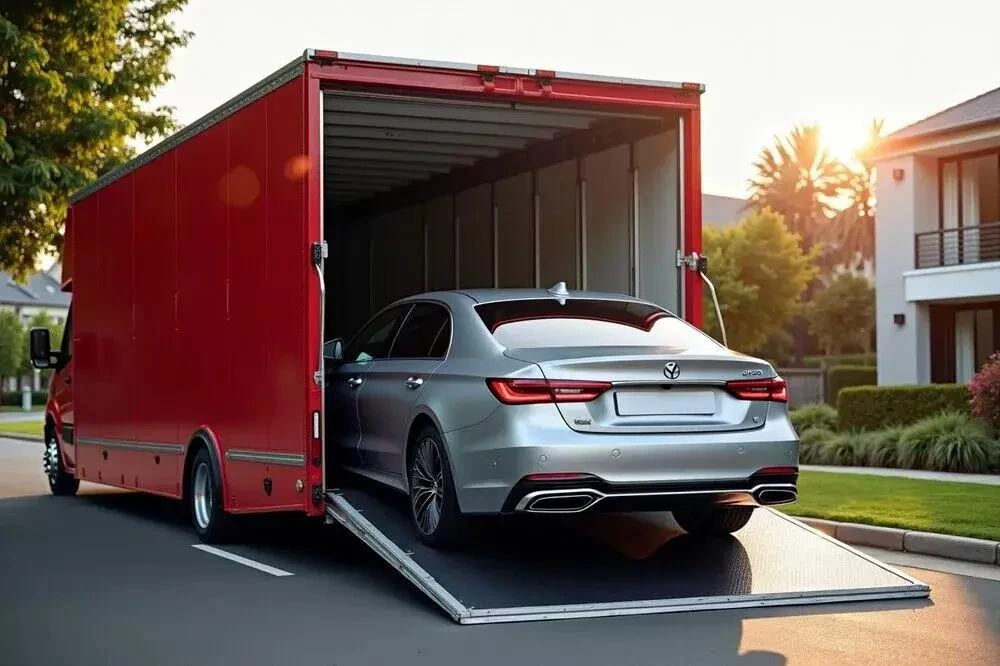
Shipping a vehicle to another city or state can be easier when you choose the right auto transport service. One of the first decisions you will make is whether to use open car transport or enclosed car transport. Both options move vehicles safely between locations, but they offer different levels of protection, pricing, and suitability.
Understanding these differences can help you select a shipping method that fits your vehicle, budget, and delivery expectations.
What Is Open Car Transport?
Open car transport is one of the most common methods of vehicle shipping. Your vehicle is loaded onto an open carrier, similar to the multi-car trucks frequently seen transporting cars on highways.
Open carriers are widely used because they can transport several vehicles on one trip. This helps make them a practical option for everyday cars, SUVs, pickup trucks, and many other standard vehicles.
The main advantage of open transport is affordability. Because the carrier can accommodate multiple vehicles, the transportation cost can be shared across shipments. Open car transport is a popular choice for people relocating, purchasing vehicles from another state, or sending a car to a family member.
Vehicles transported on open carriers are exposed to normal outdoor conditions, including rain, dust, and road debris. Although this is a standard method in the auto transport industry, customers should understand that enclosed transport provides additional protection from these elements.
What Is Enclosed Car Transport?
Enclosed car transport uses a covered trailer to shield vehicles from most direct exposure to weather and road debris. It is often selected for luxury cars, classic vehicles, exotic automobiles, collector cars, and other vehicles that require additional care.
Enclosed carriers generally accommodate fewer vehicles than open carriers. Specialized equipment, lower capacity, and particular handling requirements can make enclosed shipping more expensive.
For owners of high-value or collectible vehicles, the added protection may justify the additional cost. Enclosed transport can also provide greater peace of mind when shipping a vehicle with a delicate finish or special value.
Key Differences Between Open and Enclosed Shipping
The most noticeable difference is the level of environmental protection. Open transport leaves the vehicle exposed to outdoor conditions, while enclosed transport provides a covered environment.
Cost is another important consideration. Open transport is generally more economical, whereas enclosed transport typically costs more due to specialized equipment and limited capacity.
Availability may also differ depending on your pickup and delivery locations, travel dates, and the type of carrier required. Customers should compare quotes and confirm scheduling details before making a decision.
Which Option Should You Choose?
Open car transport may be suitable if you are shipping a standard vehicle and want a cost-effective transportation option. It is commonly used for daily drivers, family vehicles, and cars purchased online.
Enclosed transport may be preferable if you own a classic automobile, luxury vehicle, exotic car, or collectible model. It is also worth considering when minimizing exposure to road debris and weather is a high priority.
Your decision should reflect the vehicle’s value, condition, transportation budget, and personal preferences.
Preparing Your Vehicle for Shipping
Before pickup, remove personal belongings and unnecessary accessories. Clean the vehicle so its existing condition can be documented, and take photographs from several angles.
Check the fuel level and follow the carrier’s instructions regarding vehicle preparation. Inform the transport provider about modifications, low ground clearance, non-running conditions, or other special requirements.
Review the shipping arrangements, including the pickup window, delivery expectations, payment terms, and inspection procedures.