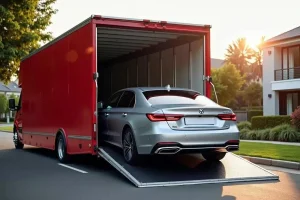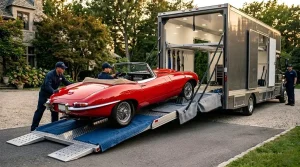

PeakWide Auto Transport offers enclosed car transport for customers seeking additional protection for valuable, classic, luxury, or specialty vehicles. Covered carriers help shield vehicles from direct exposure to weather and road debris during transportation. Contact our team to discuss your vehicle's requirements, route, and available enclosed shipping arrangements.
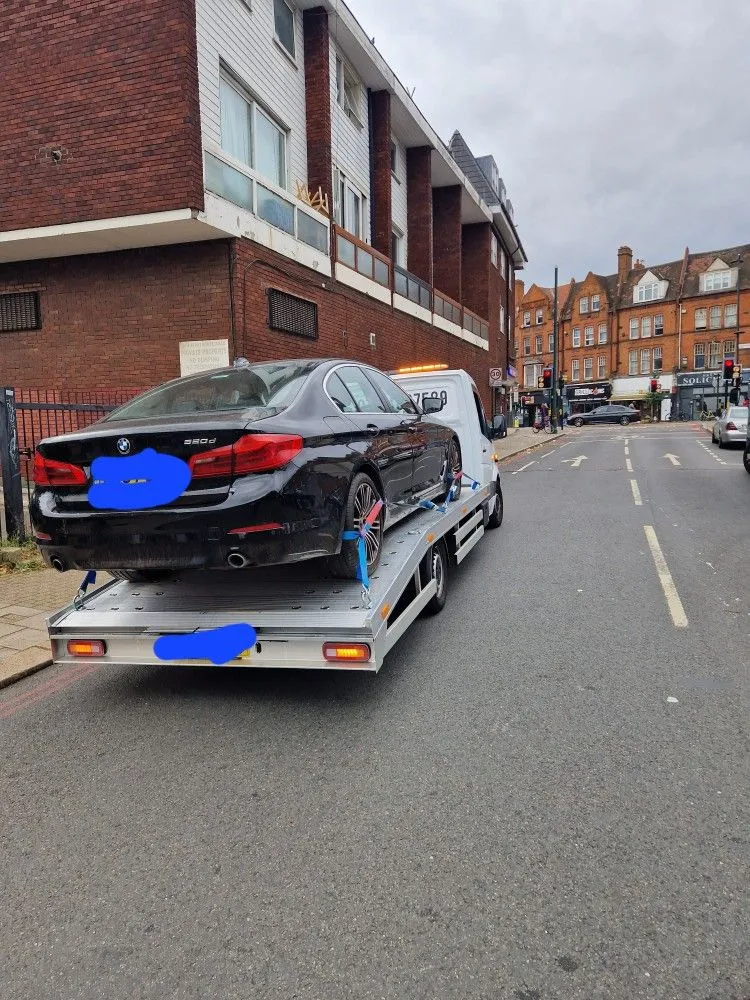
Some vehicles require additional attention when they need to travel between cities or states. Luxury automobiles, classic cars, exotic models, and collectible vehicles may benefit from a shipping method that reduces exposure to outdoor conditions. PeakWide Auto Transport offers enclosed car transport as an option for customers seeking additional protection during vehicle transportation.
Enclosed shipping is designed for people who want their vehicles transported inside a covered trailer rather than on an open carrier. Although it generally costs more than standard open transport, it can be a worthwhile option depending on the vehicle’s value, condition, and individual requirements.
Enclosed car transport uses a covered trailer to carry vehicles in a more protected environment. The trailer’s structure helps shield the vehicle from direct exposure to rain, dust, and road debris.
Enclosed carriers are commonly used to transport classic automobiles, exotic vehicles, luxury cars, show cars, and other vehicles that owners prefer to protect from unnecessary environmental exposure.
Different enclosed carriers may offer different loading systems, capacities, and handling arrangements. The most suitable option depends on the vehicle’s dimensions, ground clearance, condition, and transportation route.
Enclosed transport reduces certain exposure risks but does not eliminate every transportation risk. Customers should still review carrier insurance information, inspection procedures, and the applicable terms before booking.
Classic car owners: Older vehicles may have original paintwork, rare components, or restoration work that owners want to preserve. Enclosed shipping can reduce direct exposure to weather and road debris.
Luxury vehicle owners: Customers transporting premium automobiles may prefer a covered trailer for additional peace of mind during transit.
Exotic and collectible vehicles: Specialty automobiles can require particular care because of their design, value, or limited availability of replacement parts. Discuss any handling requirements before booking.
Show car participants: Owners transporting vehicles to exhibitions, private events, or automotive shows may prefer an enclosed option to help maintain the vehicle’s presentation.
Owners of carefully maintained vehicles: Even when a vehicle is not especially rare, an owner may choose enclosed transport because reducing outdoor exposure is a priority.
The most notable advantage is additional protection from direct environmental exposure. A covered trailer helps reduce contact with rain, dust, and road debris during transportation.
Enclosed carriers may also provide specialized loading arrangements for vehicles with low ground clearance or particular handling requirements, depending on the equipment available.
For owners of high-value vehicles, the additional protection and peace of mind may justify the higher shipping cost. However, carrier equipment, handling practices, and coverage vary, so customers should confirm the exact arrangements rather than assume every enclosed service includes the same features.
Open transport is generally more economical and widely used for everyday vehicles. Enclosed transport typically costs more because covered trailers have different operating costs and often carry fewer vehicles.
Neither option is automatically right for every shipment. Consider the vehicle’s value, the distance, the desired level of environmental protection, your budget, and the availability of suitable carriers.
For a standard daily driver, open transport may be sufficient. For a rare or high-value vehicle, enclosed shipping may be a better fit.
Start by providing the vehicle’s make, model, year, condition, dimensions where relevant, pickup and delivery locations, and preferred dates.
Mention modifications, low ground clearance, non-running conditions, or other special requirements. These details can affect equipment selection and pricing.
Review the quote and confirm the carrier type, handling arrangements, estimated pickup and delivery windows, payment terms, and cancellation conditions.
Before loading, clean the vehicle sufficiently to document its condition and take photographs from multiple angles. Review the inspection report and ensure that existing damage is recorded.
At delivery, inspect the vehicle carefully and report any concerns through the applicable claims process.
PeakWide Auto Transport helps customers explore shipping options according to their vehicle type and transportation needs. Our team can discuss whether enclosed car transport may be suitable for your vehicle and explain the details to review before booking.
We encourage customers to ask questions about carrier availability, scheduling, insurance coverage, and handling arrangements before making a decision.
Find answers to some common questions about car shipping and vehicle transportation.
The cost depends on the pickup and delivery locations, vehicle size and condition, transport method, route demand, and scheduling requirements. Contact PeakWide Auto Transport at (727) 761-4790 to discuss your shipment and request a quote.
Open transport carries vehicles on an uncovered trailer and is generally more economical. Enclosed transport uses a covered trailer to provide additional protection from direct exposure to weather and road debris. The right option depends on your vehicle and preferences.
Door-to-door transport can arrange pickup and delivery near your requested addresses. However, large carriers may not be able to access every street or driveway. If necessary, an alternative nearby meeting point can be arranged.
Delivery time depends on the distance, route, carrier schedule, traffic, weather, and pickup and delivery arrangements. Ask for an estimated delivery window when requesting your quote, and remember that estimates may change.
Remove personal belongings and loose items, follow the carrier's instructions regarding fuel and vehicle condition, and take photographs before pickup. Inform the provider about mechanical issues, modifications, or special loading requirements, and inspect the vehicle at both pickup and delivery.