
PeakWide Auto Transport helps customers arrange state-to-state auto transport for relocations, vehicle purchases, and other long-distance shipping needs. Choose between available open and enclosed transportation options based on your vehicle and route. Contact us to discuss pickup, delivery, scheduling, and a quote for your interstate vehicle shipment.
Moving a vehicle across state lines can involve long driving hours, additional mileage, fuel expenses, overnight accommodation, and careful route planning. State-to-state auto transport offers an alternative by arranging for your vehicle to be transported to another state by an appropriate vehicle carrier.
PeakWide Auto Transport helps customers explore interstate vehicle shipping options based on their pickup and delivery locations, vehicle requirements, and scheduling preferences.
Whether you are moving for a new job, purchasing a vehicle from another state, relocating with your family, or arranging transportation for a second vehicle, understanding the shipping process can help you plan with greater confidence.
State-to-state auto transport involves shipping a vehicle from one state to another using a suitable transportation carrier.
The process typically includes requesting a quote, confirming the shipping arrangements, coordinating pickup, transporting the vehicle, and completing delivery at the agreed destination.
The cost and schedule depend on several factors, including the distance between locations, vehicle size and condition, transport method, route demand, pickup accessibility, and available carrier capacity.
Some shipments follow popular interstate routes, while others involve rural destinations or less frequently traveled areas. These differences can affect scheduling and pricing.
People relocating for work: Starting a new job in another state can require significant planning. Shipping your vehicle separately may help reduce the burden of a long-distance drive.
Families moving to another state: When moving household belongings and coordinating family travel, arranging vehicle transport can help simplify the relocation process.
Online car buyers: Purchasing a vehicle from another state can offer more choices. Interstate shipping provides a way to arrange transportation without personally driving to collect the vehicle.
Military personnel and relocating professionals: Customers with changing work locations may need to coordinate vehicle transportation around a specific relocation schedule. Actual availability and timing should be confirmed before booking.
Dealerships and vehicle sellers: Businesses and private sellers may use interstate transport to move eligible vehicles between locations, subject to the applicable shipping arrangements.
One major advantage is convenience. Rather than driving the full distance yourself, you can arrange transportation with a carrier and use your time for other relocation responsibilities.
Shipping may also help avoid adding substantial mileage to a vehicle. The overall financial benefit depends on the route, shipping price, travel costs, and individual circumstances.
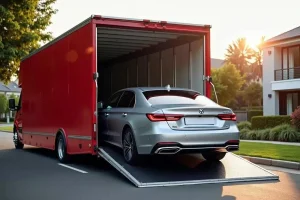
Another advantage is the availability of different transport methods. Open car transport is generally a cost-effective choice for standard vehicles, while enclosed transport offers additional protection from direct exposure to weather and road debris.
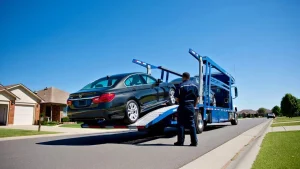
Customers may also request door-to-door arrangements when the carrier can safely access the designated pickup and delivery locations.
Request a quote by providing your pickup state, delivery state, specific locations, vehicle make and model, year, condition, and preferred dates.
Mention modifications, oversized dimensions, mechanical problems, or special handling requirements. These factors can affect carrier selection and pricing.
Compare the proposed price, transport method, scheduling expectations, payment terms, cancellation conditions, and any additional charges.
Ask questions about the carrier assignment process and what happens if the original pickup location cannot be accessed.
Estimated delivery dates should be treated as estimates unless a written agreement explicitly provides otherwise.
Remove personal belongings and loose objects. Follow the carrier’s instructions for fuel level, alarms, keys, and vehicle condition.
Take photographs of the vehicle from several angles and document existing damage. Keep copies of your booking confirmation and inspection report.
Keep your phone available during the agreed pickup window. Confirm the meeting location and ensure the vehicle is accessible to the carrier.
Transportation time can vary because of distance, weather, traffic, route restrictions, and carrier schedules. Maintain communication with the appropriate contact if your plans change.
At delivery, inspect the vehicle and compare its condition with the original documentation. Record any concerns and notify the appropriate party promptly under the applicable claims procedures.
Retain the relevant shipping records until the transaction and any necessary follow-up are complete.
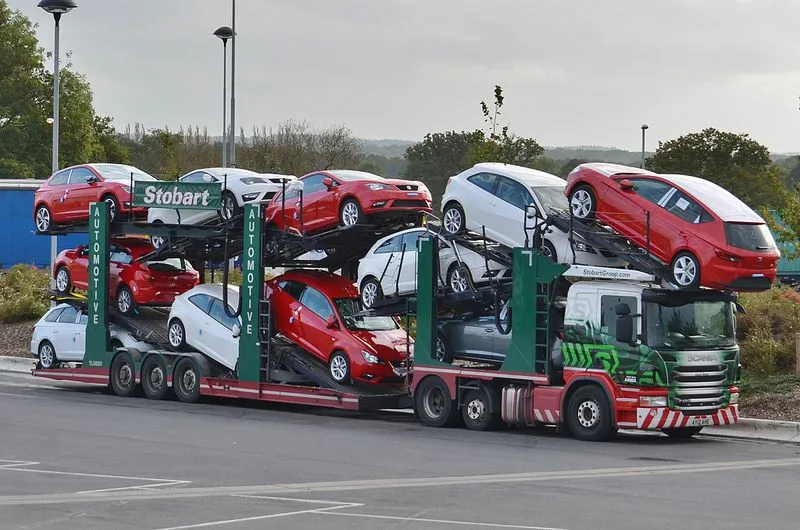
Open transport is often suitable for standard cars, SUVs, and other eligible vehicles. It is generally less expensive than enclosed transport and is widely used across interstate routes.
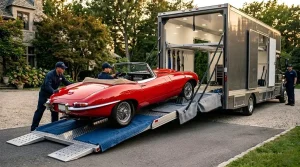
Enclosed transport may be preferable for luxury vehicles, classic cars, exotic automobiles, or collectible vehicles that require additional protection from outdoor conditions.
The best option depends on your vehicle, budget, preferred schedule, and available carriers. Discuss these factors before confirming your booking.
PeakWide Auto Transport helps customers evaluate interstate vehicle shipping options and understand the details that matter when arranging a shipment.
We encourage customers to provide accurate vehicle and route information, review the terms of their booking, and ask questions about timing, insurance, carrier availability, and delivery arrangements.
Find answers to some common questions about car shipping and vehicle transportation.
The cost depends on the pickup and delivery locations, vehicle size and condition, transport method, route demand, and scheduling requirements. Contact PeakWide Auto Transport at (727) 761-4790 to discuss your shipment and request a quote.
Open transport carries vehicles on an uncovered trailer and is generally more economical. Enclosed transport uses a covered trailer to provide additional protection from direct exposure to weather and road debris. The right option depends on your vehicle and preferences.
Door-to-door transport can arrange pickup and delivery near your requested addresses. However, large carriers may not be able to access every street or driveway. If necessary, an alternative nearby meeting point can be arranged.
Delivery time depends on the distance, route, carrier schedule, traffic, weather, and pickup and delivery arrangements. Ask for an estimated delivery window when requesting your quote, and remember that estimates may change.
Remove personal belongings and loose items, follow the carrier's instructions regarding fuel and vehicle condition, and take photographs before pickup. Inform the provider about mechanical issues, modifications, or special loading requirements, and inspect the vehicle at both pickup and delivery.